What’s your most important meal for the day? For me, it’s lunch (not that you were asking). After a lot of consideration, I began to ask myself, am I one of those “ladies who lunch”? Well, I love lunch and I am a lady.
It seems like it has become like last year’s bohemian look to be part of this ladies-who-lunch-group. Am I feeling goose bumps admitting to myself I’m one of them? Are we out and do we stick out like a sore thumb?
I guess it’s a matter of opinion. First of all, a portion of the classiest cities, like in Spain and Italy, do love long lunches. Besides a lot of restaurants in town have the juiciest offers of price-worthy set lunches, the same menu would cost you double if you dine in during the evening.
Just to keep you guessing and identify if you are the stereotype lunch junkie, these are the palpable signs:
1. Did you just finish half a bottle of spray net on your hair before you left for lunch?
2. Are you wearing designer goods from head to toe?
3. Is your tailored suit made of the finest silk, even if you were not coming from a board meeting?
4. Do you have a bunch of gold cards from all major credit card company and five star hotels?
5. Did you brush up with the latest E-news in the internet at breakfast?
Well, if you answer yes to all, I’m afraid you are. Hey, no one can hear your thoughts so move on and read this like you were just trying to get amused and perhaps get some insider tips.
Five star hotels are the bat caves for the lunch ladies. Why not? With all the wonderful discount cards the best hotels in town offer, it’s like the fastest draw in the Wild West when the bill comes. The cost of the card is around 6,500B for the annual fee. Some even offer a free one night stay at the hotel aside from free a dinner or lunch and a booklet of discount vouchers.
Rossini’s at the Sheraton Grande Sukhumvit offers one of the best antipasti buffet that goes with a choice of 3 main courses and a dessert, plus coffee or tea (650B). The white table linens amaze me. When all the hip places have embraced minimalism and have replaced table cloths with placemats, Rossini’s have seemed to stay classic.
Hotel buffets along Sukhumvit and Ploenchit are most accessible and offer great deals, especially for hotel cardholders: JW Marriott (Sukhumvit Soi 2; Tel: 66 2 656770; Intercontinental (973 Ploenchit Road, Patumwan; Tel: 02-6560444); Grand Hyatt (494 Rajdamri Road; Tel: 02 254 1234); Plaza Athenee (Wireless Road; Tel: 02 650 8800). These places attract elite girl power groups like moth to a flame; you see them catching up and chilling out. (Lunch Mon-Fri, 750 – 790B++)
Naomi, a Japanese Expat, says she does lunch three to four times a week. Wives of Japanese businessmen are one of the most visible groups of lunch cliques around town. “Mornings are dedicated to self-improvement like: learning a language, honing a craft [like Ikebana and pottery] or doing a fitness regimen, then a reward of a nice lunch follows, after which it’s taking care of the kids from school and preparing a home cooked meal”, says Naomi.
The best restaurants in town are the watering hole of these modish “soccer moms”; they do offer the best deals for lunch (set lunches from 320B- 390B/person). Chesa Swiss Restaurant (Soi 20 Sukhumvit, Tel: 02 2616650); Rosanno’s (167 Sukhumvit Road 21, Tel: 02 260 1861): Ember (0 2652 2086; Langsuan Balcony Building, Langsuan Rd between Soi 6 & 7) are among the fine restaurants that offer superb set lunch menus as a preview to their dinner menus.
I enjoy lunch, especially since I love working up a sweat in the mornings so I do work out an appetite for lunch. Besides, there is still much left for the day especially in a town that never sleeps, like Bangkok. I’m proudly admitting I belong to these ladies, even if the last time I looked my hair is not coiffed by Edward Scissorhand and it moves when the wind blows. I tell you, they are neither the Stepford Wives nor grown Mean Girls. They mingle and blend in and they do wear brandless normal clothes, too.
I guess after all the fuss and stereotype about this bunch of seemingly endangered species of fine ladies, they do define a certain type of nobility and grace the social scene; defining a certain pop culture genre. Besides, they support the economy - ladies who lunch, also shop!
The next time you treat yourself for a nice lunch, look around for a group of ardent women who love lunch like it were kryptonite. And if you see a bunch of jolly ladies dressed to the tee or hear polite laughter while everyone seem to be eager to butt in the conversation, smile and nod, and if one of those ladies smiles back and winks, it might just be me.
Thursday, October 23, 2008


Tuesday, September 9, 2008
Tapas, Tapas, Tapas!

Tapas, finger foods, canapés, hors d’ourves or whatever you may call these days are resurfacing as main attractions in bars and restaurants. For me, it’s the perfect party food. It allows guests to mix and mingle and at same time have some hefty food.
From Catalan pan con tomate to Galician Pimientos de Padron, people are serious about food and tapas are definitely one of their greatest gastronomic contributions to the gourmet world. Spaniards unwind after work and go to bars to discuss current events with friends, then argue, joke around and have tapas with wine or sangria.
Tapas has been around since the Middle Ages, it was said that a Spanish king’s need to take small bites due to his illness resulted to the birth of these snack foods, which of course is to fill the stomach before a sip of wine. In the early days of tapas, (tapa, Spanish for lid or cover) a slice of cheese or ham was given to match a drink and placed over it as a lid. There is some dispute over why exactly this was done: to keep out the flies or hide the smell of the bad wine?
Recently, a good friend came back from her vacation in Barcelona and gathered a few friends for a “tapas treat”. Adhering to Spanish customs, we started at 8:30 pm, which is actually the best time to start a party to beat Bangkok’s evening traffic. The menu included: jamon (Spanish ham so thinly sliced, it was like peeling your own skin); chorizo (deep red pork and paprika sausage); rolled herring; croquettes; tortilla; manchego cheese; olives; dry nuts; and crusty bread topped with rich tomato sauce. I dare not call it appetizers!
After the filling portions of delicious tapas, we were all ready for some powerful potions. Originally that was the whole point of eating small portions was to accompany and buffer the alcoholic drinks. Widely popular in Spain, mojito was the choice cocktail of the evening. My friend says she makes the meanest mojito and I was in for a surprise. Sipping the drink in the balcony, I knew her claim was so true. I swear the buildings were swaying! Interestingly, mojito’s humble beginning is traced back to Cuba where pirates brought the “medicinal drink” to the island, first called El Draque after Sir Francis Drake. Later it evolved from the word origin ‘mojo”, traced to Spanish (name of a Cuban seasoning) and African (meaning hexed); since both inhabited the island. Wherever its birthplace or origin is, it certainly can grace my party anytime, adding an exotic Caribbean flair.
Mir’s
 Fierce Mojito
5-10 fresh mint leaves
1 heaping spoonful of crystallized sugar Light rum, Cuban if possible
Juice of 1 lime or the local manaw
Club soda
Crashed Ice
Mash with a pestle the mint in a glass with the pieces of lime and crystallized sugar (coarse sugar is vital in the mixing process, as it helps the flavors come out). Using special mojito pestles is a nice touch (the wooden foot massage sticks can do the trick, a brand new one, please!), but the butt end of a wooden spoon is what my friend Mir used and so did Sir Francis Drake, who first concocted it. Fill the glass with crashed ice, don’t skimp! Add rum and club soda. Stir. Hey don’t go easy on the rum; some say the name ‘mojito’ originated from the African word ‘mojo’ meaning to cast a spell so this just might be the perfect way to light up on your friends’ mood at your coming party.
Tortilla de Patatas
Olive oil
4 large potatoes (peel and cut into small pieces)
salt to taste
one large onion, thinly sliced
6 large eggs
Beat eggs in a large bowl with a fork, add salt to taste, set aside; heat potatoes in a pan with olive oil until brown but soft, adding onions. Add potatoes to beaten eggs, making sure that eggs cover them completely. Heat oil in large skillet and add potato-egg mixture, spreading quickly. Shake pan to prevent sticking and flip three or four times using a plate to catch it, each time adding some oil, serves 4-6 persons.
Croquetas ala Nuria
2 tablespoons olive oil, plus extra for deep-frying
4 tablespoons unsalted butter
2 heaping tablespoons all-purpose flour
1 cup whole milk 1 onion chopped
250 g cooked chicken, finely chopped 250 g cooked pork meat, finely chopped
Salt
2 eggs
1 cup fine dried bread crumbs
In a saucepan, heat olive oil and the butter over medium heat, when melted, add the flour and whisk using a wooden spoon; mix well until the flour is well blended. Add some milk and increase the heat. Bring to a boil and add the remaining cup of milk. Cook until the mixture begins to thicken. Meanwhile blend onion, chicken and pork meat, season lightly with salt, then stir and add to the white sauce. Cook a few minutes in low fire then pour into an oiled dish. Cool it down for a bit and then cover. refrigerate for at least 2 hours, but preferably overnight to allow the mixture to set.
Beat an egg lightly, meanwhile spread the bread crumbs on a plate. With 2 spoons, shape the croquette mixture. Roll each croquette in the bread crumbs, shaking off any excess crumbs, and then dip into the beaten egg. Refrigerate for 30 minutes before deep frying.
Hungry for more, two days later I searched for another tapas experience. I strolled to the Glass Bar (Plaza Athenee, 61 Wireless Road, Tel: 02 6508628) to have some tapas. A world apart from the tapas I expected, it was a Thai version of artful pieces of canapés. Always at creative work, like elves in a workshop, the chefs of Bangkok are constantly trying to push the envelope a bit farther.
Called “Afterwork Cocktails + Cones”, the impressive presentation was worth the try; edible mini cones filled with savories are wedged in shot glasses filled with rice. A tray of ten selections (650B) can accompany a nice cocktail (one among the new bartender blends) of a “Sultan Side Car” - Grand Marnier and French brandy shaken with lemon juice, cinnamon and sultanas.
Heading home after catching up with some friends over tapeo (art of eating tapas) ritual, I vow that the next time I gather my friends for a party it will be a table of tapas - and why not? I just can’t get enough of it. The tapeo would be no doubt the best party food formula. The art of nibbling with Spanish elegance has the ability to bring people together. After all, tapas embody the warmth and openness of the social Spanish way of life. There is something uplifting with sharing a nice bottle of Rioja and a chat with cool friends and some delectable tiny nibbles to highlight the day. Buen apetito!
Wednesday, June 18, 2008
Class Act
 Once again I dip my fingers in a chef’s pot. It is great to see the evolution of food; raw ingredients turning into tasty dishes; pure amateurs crafting meals once reserved to fancy chefs; and experiencing the joys of being part of the creative process of preparing a meal.
 Chef extra ordenaire, Marco Cammarata, once again opens his kitchen to patrons who want to bring home some gastronomic expertise in their own kitchens. His witty and affectionate manners make cooking look fun and easy; he can join the ranks of the likes of Jamie Oliver and Mario Batali. So better grab the chance to get entertained by him before he gets discovered by the food channel!
Cooking, to me, is more stimulating than tiring. Knowing how to appreciate food, it is easy to assume that kitchen work is painless. Actually, coming up with the idea is far more fetching than preparing a good meal. This is what cooking classes do- inspire, motivate and build confidence.
As if chefs are not content with delivering skillfully plated inventive dishes to their guests, they want to add another feather to their caps by mentoring proletarian epicureans. “It’s far more effortless to cook something at home than walk to a fast food place, order food and bring it home. A delicious pasta sauce can be prepared in a “shower time” and be enjoyed better knowing it was prepared by your own hands”, says Marco.
The four of us arrived shortly before 11am, the ice breaker was a short conversation over a cup of cappuccino, followed by snipping and goggling some herbs and spices before the main event (4 course menu) that started promptly at 11am.
Pasta with one-note accompaniments, such as EVOO (extra virgin olive oil), mushrooms, pungent cheeses and rich red tomatoes was one of our target dishes. One thing that sets Marco’s cooking class aside from the many around town is that he customizes the menu and number of students according to demand.
 with a chef’s double-breasted white uniform, we all took part in the entire process of slicing, chopping and brewing, and had a chance to get inside information from the master of the kitchen, absorbing invaluable tips worth coming to class for. I love that we made food that are easily made at home: risotto; ragout; pasta with pesto and putanesca sauce. No fancy pan-seared Wagyu beef encrusted in pancetta and truffles, just simple but appetizing dishes.
Marco had a few key tips that I made sure to absorb, such as: reducing and turning up the heat at the appropriate time is key to cooking- lots of heat will roast the onions and garlic, while reduced heat melts it for easy blending. It is essential to cook pasta with lots of water so the noodles have enough room and don’t stick together (2 liters/100g of pasta), then there’s no need to add oil.
Cooking can bring you instant rewards, and you can astonish yourself with healthy home cooked meals that you normally have to get from fancy restaurants. Even if you aren't inclined to cook, remember it isn’t rocket science, just have fun. It’ll be nice to organize a class with some friends and then enjoy the meal after. That’s one special party!
Like life, in cooking practice makes prefect. Seeing the complexity of dishes will make you appreciate a good chef and good food better. Once in a while, it is also good to take the driver’s seat and whip up a dish in between the pampering we get from chefs. I think the essential rationale of a cooking class is to see the fruition of food from simple concepts and fresh ingredients into meals that have that wow factor – see how the magic happens and be part of it.
Italian Restaurant & Wine Lounge
Cuisine by Marco Cammarata
Cooking class (including lunch): 1,500B per person
Unit 515 Ground Floor
Destination - Beach Wedding
 Why June? It seems to be the mystical month to marry. And as it is, weddings are associated with romance so it goes it doesn’t matter how it came about, it has always been a pride and joy to be called a June Bride.
Above and beyond the in-and-out status of marriage, romance has always captured the sympathy of the changing times. Celebrities have set an even bigger stage for lavish weddings, think of Tom & Katie’s wedding extravaganza at Odescalchi castle. And now the brides-to-be want a piece of the action.
The ultimate goal is a destination wedding.
Why not? Who doesn’t want to have the endless sea as a backdrop to join hands and exchange rings, or have the vast expanse of nature at sunset to set the mood to declare love to each other?
“Couples are looking for exclusive getaways to have weddings with a more intimate guest lists”, says Vipasiri Napawongdee, PR & Marketing Manager of Zeavola Resort, “it is like vacationing with their closest friends and relatives while having the grandest time of their lives”.
 r a once in a lifetime event.
Zeavola Resort is one unique place, set in a nostalgic
This marvelous wedding-weekend may require some planning, like any other wedding. Consider it as planning a well-deserved vacation. Just picture the ceremony in the beach in a white bikini or a flowing white cotton kaftan, hey, that’s a lot of savings without that white lace gown you only wear once. Add some activities with your favorite people, and it will be one of the best moments of your life.
Splurge may well be the theme of destination weddings. It is not for the shallow pockets. For many brides-to-be, the budget can stretch for this special never-to-be-repeated-day.
Here's how to get it done right. First, there is a choice of a Buddhist or Western wedding. Buddhists weddings normally take place in the morning to accommodate the Monks’ living habits, so there are plenty of activities for the day. A western wedding on the other hand is flexible and can be made at the most romantic time – sunset. A tropical barbeque feast matches the informal setting in a private island nearby or dinner reception in the resort (1,400-3,000B/guest + wedding package; www.zeavola.com,).
Second, keep in mind registering. Making the marriage legal requires visits to the Registrar’s Office, and in the case of foreigner, to their respective Embassies. The tedious process can be well taken care of by wedding planners like in the case of the Zeavola wedding team.
Third, organize and coordinate with some friends and relatives who are willing to do some legwork, like: setting up an email group to coordinate meeting places; special menus; or researching fun activities and group outings before or after the wedding day. Some guests would also rather sponsor some of the expenses instead of breaking their heads with what gifts to give. For instance, I have gathered some of us closest friend of the bride to pitch in for the photo/dvd shooting fee for the ceremonies. It was a lovely gift that the bride and groom can keep and remind th emselves of the ceremony and the wonderful friendships.
Lastly, consider planning transportation and accommodations way ahead of time. In the case of
Sally (Tel: 081 814-0471), a
As an old song says, “when you marry in June you're a bride all your life and the bride groom who marries in June gets a sweetheart for a wife” - an old wives’ tale?
Maybe. Well, June might be the month to wed but better yet, to start planning a wedding.
Thursday, March 6, 2008
La Dolce Vita ala Rosanno
Foodies of Bangkok
 Rosanno chats with guests and looks after the needs of his hungry patrons. Ensuring the authenticity of flavors, a refrigerated display counter is filled with meats and delicacies from
 e dishes especially good on days we don’t want to complicate the mind with choices – fruitti di mare, al funghi, carbonara or homemade spinach lasagna filled with veal ragout (300B/dish). For me, I always have a contented longing for a steaming serving of risotto; like one laced with saffron and garnished with Italian sausages (360B). On my meatless days a simple vegetarian serving of risotto al funghi, filled with the earthy taste of mushrooms, could definitely gratify my craving (380B).
 of a rich comforting stew steadily simmering for hours can leave anyone salivating in anticipation. Stinco di Vitello is a hearty chunk of braised veal oozing with the essence of rural flavors (520B). True to the undying tradition of seasonal flavors, a chalk board of specialties is constantly changing.

So forget the minimalist theme, chill out music and über sleek setting, Rosanno’s is your good old Italian place. It is still Bocelli in the background, art and love in each serving of a dish and a short teleport to a charming little village in
Choco Loco
 “All you really need is love, but a little chocolate now and then won’t hurt!” (Lucy Van Pelt in Peanuts by Charles M. Schulz)
A gift is not just a gift. Too little and too generic equals a thoughtless act. An extravagant and very expensive gift can not only seem an over the top inducement but a warranty for favors.
Duc de Praslin may well be the best place for chocolates in town with some 30 varieties of pralines (16-18B/piece) in many shapes and sizes apt for all occasions and festivities; including chocolate coated fruits and nuts. Evidently the only manufacturer of fine chocolates in
 out and taste the rich cocoa drink to wash down a praline or two is at Duc de Praslin Café House at Fenix Tower (Sukhumvit Soi 31, Tel: 02 2583200). The powder blue façade stands out, so it is hard to miss it. Inside are comfy seats to enjoy a set of: fine cocoa drink, a croissant, a glass of orange juice and a praline (95B); for a midday boost or a treat after work (open 7:30am- 9:00pm). The stock is plenty for a quick stop for some presents, like when you are late for a date or did something thoughtless (right?); or even nice truffles for you to cuddle with by the sofa to end the day- why not?
It makes me wonder what magic these balls of cacao really have. Casanova referred to chocolate as the "elixir of love” and is said to have enjoyed a mug of cocoa drink before embarking on one of his conquest. The ancient Mayans took sips for fertility, and the Aztecs were convinced that chocolate was an intoxicating aphrodisiac. King Montezuma, who kept a harem, consumed fifty cups of chocolate per day.
A nice box of chocolate as a gift will never get old; it gives anyone a good reason to indulge in the glorious orbs of melting pieces of pleasure.
An age old joke says: a man found a bottle on the beach, opened it and out popped a genie, granting him three wishes. The man wished for a million dollars, and poof! Wads of dollars came falling from the skies. Then he wished for a convertible, and poof! A Porsche appeared. And then, he wished he could be irresistible to all women... poof! He turned into a box of chocolates. Need I say more?
Friday, January 4, 2008
New Year Food for Luck
 Ushering the New Year entails some celebration. There’s always renewed hope for a better year and there is clamor for the traditional New Year’s “luck foods”, supposedly to bring more good fortune and happiness for the coming year. Along with cabbage, rice, ham and black-eyed peas, to foods that are gold in color to round in shapes, abundance of food on the celebratory table is a tall order of the day.
 The first in the list is the practice of eating "ring-shaped" and “golden” foods during New Year's celebrations. Symbolizing the "coming full circle," the belief is that good luck will follow all who munch such foods. The loads of fruits and sweets, even balls of cheese may open your good fortune this midnight of December 31.
The Thais wil l go for 3 native delicacies made for the sweet tooth: foy thong; thong yip; and thong yot. Made from five simple ingredients - coconut cream, coconut meat, rice flour, palm sugar and eggs; the thong (meaning gold) symbolizes prosperity and wealth. Who doesn’t want that? So, go grab these precious looking sweets and slide through the New Year. They are mostly available in the talaad (market places), although my best bet is the Otoco market (50B up/per pack). The easiest way is the MRT to Kampheang Phet station.
For those who prefer a traditional New Year meal “Japanese Style", Tsu welcomes the year right with a symbolic feast (JW Marriot; Tel: 02 656 7700). It begins with “Otoso” - traditional Japanese sw eet sake to rev up the appetite. Osechi Ryouri, the festive meal comes with five different kinds of sashimi, followed by three kinds of main dishes (Kobe beef amiyaki with Japanese mushroom, Hokkaido taraba crab tempura with creamy mayo sauce and five different kinds of sushi), and served with “Ozoni” (New Year’s special soup). Finale to the meal would be the refreshing fruit sorbet served in its skin cup. The meal symbolizing long life, good health and happiness, is available this New Year (lunch and dinner from January 1 - 3, 2008 only, 4,500 B/person).
PORK ROAST WITH SAUERKRAUT
3 jars sauerkraut
3-4 lbs. pork roast (boneless)
4 strips of bacon
3-4 dried juniper berries (optional)
1 tsp caraway seeds
1 medium onion, chopped
1 medium apple, chopped
250 ml apple juice or wine
250 ml water
Place bacon on bottom of large pot, cover with 1/2 of sauerkraut, add pork roast, then the other 1/2 of sauerkraut, then top with onion and apple. Add liquid.
Cook over low heat for 1 ½ hours, till the meat is tender.
- At the strike of midnight, eat 12 grapes signifying each month of the upcoming year. If the grape for the respective month is sweet, expect a good month… if it's sour, a bad one.
- Munching on noodles denotes a long life; an old superstition says that it's bad luck to cut them.
- Feast on fish. Some not only will they gorge on it, but will also place several of the fish's scales in their wallets as a way to ensure financial wealth. In Chinese, "Yu" (fish) sounds like the words for wish and abundance. As a result, on New Year's Eve it is customary to serve a fish at the end of the evening meal, symbolizing a wish for abundance in the coming year. For added symbolism, the fish is served whole, with head and tail attached, symbolizing a good beginning and ending for the coming year
- Spring Rolls symbolize wealth because their shape is similar to gold bars.
- Tangerines and oranges are not only golden but round and aplenty this time of year. Used them as centerpiece on you table before eating them and bring in the vibe!
- Finally, steamed sticky rice cakes have a symbolic significance. Their sweetness represents a rich sweet life, while the layers stand for rising abundance for the coming year.
In many cultures, it's believed that you can affect your luck by the type of food you first eat on New Year's Day, those that will drive away bad luck and bring in good fortune. Yet it is the hovering spirit of togetherness, which matters most, stirring the feasts where the symbolic foods inspire a sweet beginning for an auspicious year. Happy New Year!
Monday, November 12, 2007
Dine by the River
.jpg)
At what length would you go to get good food with a picturesque view? Tucked away, a provincial setting, and welcoming smiles are just the reasons to search far and wide – sure, and why not?
For the Thais, the river is the source of life, it is where everything begins. Properties by the river command the highest price, and restaurants by the river have its enduring allure. Owners Pete and Frederick knew this and converted the old family house into one of the ideal places to take refuge and enjoy good food. Opening its doors to guests, the rural setting is just a perfect setting to unwind.
Baan Rabiang Nam (Nonthaburi 1 road, soi 23, Sanambin Nam; Tel: 02 9681481) is a stone’s throwaway from the busy mall infested thoroughfare of Chaengwathana Road. A turn to the Sanambin Road pulls you out of the city into a time warp, like you are miles away from civilization. As you enter the small street and park your car, a pedicab ushers you into a smaller alley where you have feeling you are visiting long lost relatives deep in the “tamboon”. Wooden planks lead to houses attached to one another into the riverfront sala in wooden stilts, in a rural setting view of the river with water hyacinths floating. The location is at Chaopraya’s largest point, half way between Nonthaburi pier and Koh Kret Island.

There is a stream of guests starting at lunch time (10% discount till 2 pm). Aside from the local residents, the nearby ISB international school, surrounded by Moobaan about 5km away, provide the regular clientele. City slickers from Bangkok also come by car through the expressway or by boat to the Nonthaburi Pier and a short taxi ride to the restaurant.
The best
 time to come would be at sunset, where you can have one of the herbal drinks of roselle, lemon grass or purple flower (20B) while being mesmerized by the sighing sunset. Fai Deang, a dish of fried morning glory (80B) and Dok kai, a salad of thai flower (90B) is a nice touch to start of the meal. Shortly before 6 pm, an interesting sight was a local vendor in a boat full of dried squid and popcorn. A fishnet with a pole delivered a bag of popcorn to a customer, from one of the groups of office workers unwinding after the 9-5 shift, to munch with a glass of beer.
The menu is very much a pick from northern to southern dishes, with some from the royal cuisine. The most impressive dish was the fried fish in five flavors: salty from nam
 pla; spicy from prik thai-on; sweet from palm sugar; tannin from the nuts and herbs; and sour from tamarind juice (200B). The combination was a burst of flavors to delight the taste buds. Other favorites are: steamed mullet with veggies,“nam jim jeow”; mullet fish “nam tok” style with mint, chili and herbs (200B/dish). Soups are also main attractions: lemon grass soup w/ chicken & tamarind leaves; spicy beef soup with herbs & mushrooms; spicy mixed seafood soup “tom seb”; and boiled beef in red Chinese sauce (90-120B/serving).
The ten cooks in
.jpg) the kitchen work with everyday fresh produce from the Nonthaburi market. A list of 21 recommended dishes are renewed on a monthly basis, using what is best in the season. Lovers of Isarn food are pampered with typical servings of “larb” and “namtom” in different varieties and of course “somtam” with fruits, catfish and raw prawns to the traditional green papaya. Thai favorites grace the menu, like fried salty chicken, prawn cakes with plum sauce, fish cakes with sweet peanut sauce, and chicken with lemon grass. Prices are surprisingly very reasonable (50-100B/serving).
the kitchen work with everyday fresh produce from the Nonthaburi market. A list of 21 recommended dishes are renewed on a monthly basis, using what is best in the season. Lovers of Isarn food are pampered with typical servings of “larb” and “namtom” in different varieties and of course “somtam” with fruits, catfish and raw prawns to the traditional green papaya. Thai favorites grace the menu, like fried salty chicken, prawn cakes with plum sauce, fish cakes with sweet peanut sauce, and chicken with lemon grass. Prices are surprisingly very reasonable (50-100B/serving).The drink list extends from mixed cocktail, fruit shakes, to whiskeys and wine. Frederick, a true blue French, takes care of the wine selection. From Bordeaux, Australian Shiraz to Chilean Merlot to complement the food, the rustic ambience offers a fair five-star meal. For those who prefer to bring their own, corkage is a mere 75B for wine and is free for whiskey.
The experience was invigorating. There is a hovering feeling of being in a remote village as I watch the tide ebb in the river, which was a historic landing strip in the Second World War. The breeze was light at this time of the year and in the approaching cooler months the protective roof from the rainy season will be dismounted, so evenings will allow stargazing at the night skies. Baan Rabiang Nam is one of the thriving quaint places where life in the fast lane slows down for a marvelous evening enjoying great food. Chon ka!
(How to get there by car: Exit the expressway on Ngam Wong Wan road, then straight on Ratanatibet road until Phra Nang Klao bridge. Don't cross the river but make a U-turn under the bridge, then turn left on Nonthaburi 1 road, into soi 23 - next to the Ministry of Commerce.)
Wednesday, October 17, 2007
Get High on Tea!
 The tea drinker vs. the coffee drinker is like a clash of the Titans or a duel between classical and jazz music. Tea drinkers are somehow like the refined-yoga-health-conscious-freaks, whereas the coffee drinkers are the hyper-workaholics-multi-tasking hip group.
With the proliferation of cafes and hangout places around town, these chill-out groupies are offered a lot of choices. Which group out numbers who is not the point but the places to go matters the most. Apparently there is a large group of tea drinkers judging from the afternoon hi-tea hype all over Bangkok. It seems nibbling little cucumber sandwiches and sipping jasmine green tea is one the highly rewarding afternoon activity of the hi-so and trendy crowd.
Recently, worlds collided at the Four Seasons with the conglomeration of 5-star chefs from all over the globe, boosting Bangkok's reputation even more. Two pastry chefs from all over the globe had week-long activities from baking demonstration to fancy afternoon tea menu presentation. Five-star pastry chef, Katrina Kanetani from Sydney, Australia, made offerings of different grades of fine chocolates paired with spices and fruit reductions harmonizing into the desserts. Katrina says, “… a drop of this and a drop of that enhances the tea flavors”. While Nicole Kransinski from San Francisco, California, used local spices to lace up desserts resulting in unexpected flavors.
Afternoon in Bangkok has stepped up a notch higher as 5-star hotels and
 cafes try to outdo each other. Heading the race is The Four Seasons (155 Rajadamri Road, Bangkok, Tel: 02 2501000) with its traditionally luxurious afternoon tea delight. Maintaining its exquisite choices of savories and sweets, weekend are best spent enjoying tea time at The Lobby, amidst the ornate ceiling and the imposing columns that set the mood to an atmosphere of sheer class (850B/person for weekend tea buffet; 650B/set on weekdays). A wide selection of fine black tea, green tea, fruit tisane and herbal infusion match with foie gras parfait Napoleon or warm apple tart with vanilla ice cream, provide an ideal weekend treat.
The search moves on to one of the first in high tea cultures. The Oriental Hotel (48 Oriental Avenue, Tel:02 659 9000) celebrates its old traditions within the Author’s Lounge, where famous writers once sipped tea. Its setting is a blast from the past designed with white-washed rattan armchairs and white parasols. Munch on scones, pastries and cakes carefully placed on 3 tiered tray for a lazy afternoon amid the tall bamboos and palm trees (880B/tea sets), or order ala carte from the menu.
Feeling a bi
 t fancier? Splurge on an extravagant tea time at lebua lounge (1055/111 Silom Road, Tel: 02 6249999). A refillable set of sandwiches, cakes and savories (1,500B) is served with tea fit for a queen. Overindulge by starting with a bubbly glass of champagne, before gorging on the light snacks that include mini steak sandwiches and itsy-bitsy sweets that can be the highlight of any day (tea set with Champagne, 4,500B).
A view of the river with couples swarming in for an afternoon of ballroom dancing with a live band translates into a lively and quite entertaining weekend at the Shangrila Hotel lobby (89 Soi Wat Suanplu, New Road; Tel: 02 236 7777). The food offered is more like a mini lunch buffet with noodles and Thai treats aside from the usual sandwiches and sweets, which is a tip-off from the traditional high tea (650B/person). What makes it more attractive is the show it offers, it’s up to you if you’d like to be the spectator or the performer.
Smack right in the middle of the busy Sukhumvit area, the Sheraton Grande (250 Sukhumvit Road; Tel: 02 649 8888) offers a refuge from the madding frenzy. The Living Room up to the Library at the mezzanine offers a venue for a quiet weekday afternoon hangout for hi tea fans (470B). On weekends, it transforms into a livelier ambience with its afternoon tea time buffet with jazz music (600B). Guests gather at around 3pm to savor the hefty assortment of tapas, sandwiches and sweets to jazz-up their weekend.
History undeniably attests to the popularity of tea. Although the British are particularly known for their love of tea and drink more tea per capita than any other country in the world, this part of the world is “indeed” catching up. Even the word hi-tea itself connotes elegance in the old world sense; and it has its in vogue appeal, too. I guess sitting on a low table sipping tea daintily holding the cup with one pinkie finger pointing up while savoring finger foods in one of these fine places is really refreshing. Everyone ought to be able to say the least- “been there, done that”.
Tuesday, September 11, 2007
The Occasional Vegetarian
 Where’s the main dish? First time vegetarians are baffled by the food serving seeing only seemingly side dishes on the plate. I confess it truly takes a good vegetarian meal to impress me. Meat is filling and veggies are mere garnishing.
I admit to being an occasional vegetarian, and why not? It is a lifestyle choice. Be it for body cleansing or a mere alternative in another cuisine, vegetables are truly a healthy choice. Growing up, it seemed to me like a big sacrifice to have meatless days, but with the increasing amounts of research, it is undeniable that going green has a lot of health benefits. So where do I find a good place to get satisfying vegetarian food?
“Vegetarian cuisine like any other cuisine (Italian, French or Thai) is an alternative choice even for gourmets. You don’t have to be Greek to enjoy Greek food, likewise a vegetarian to enjoy vegetarian food.” Sylvie Bruzeau, a vegetarian since 8 years, together with partner Luka Wong created Tamarind Café; enticing the growing healthy population and presenting them with creative and delicious meatless cuisine.

Tamarind Café (Sukhumvit soi 20, Tel: 02 663 7421, open weekdays 3pm-11pm, weekends 10am-11pm) is a quaint, well-lighted, split-level bistro that offers innovative cuisine inspired by the Sylvie’s and Luka’s travels. Growing up in the picturesque Loire Valley, Sylvie picked up fresh home-grown vegetables in their garden. She emulates home cooked meals in creating her dishes.
Freshness is the basic criterion in the kitchen. Ingredients are the best picks of the season, from the different suppliers around Thailand to early morning produce from the Klong Toie market. The kitchen is home to homemade jams, breads, pastas and in-house sauces.
A meal can start with a Tamarind Kiss Cocktail (vodka, fresh tamarind with a dash of orange juice, B190) from the ample-sized bar; or one of the café’s original mixes: rouge cooler (watermelon, lime & mint, B120); velvet underground (beetroot, mango, orange &mint, B150), or carrot spice (carrot, apple, lime & ginger, B150).
Quic
 he, one of the house favorites (B95/slice), tops the list of 18 appetizers. The Sweet Tropical (B160) is a serving of sliced mangoes and julienne beetroot on a bed of lettuce presented in a wide glass; in a slight whisk of the chive garnish, it is swished into a plate- really neat! Ratatofu is a ratatouille inspired dish; a cube of tofu, topped with zucchini, eggplant, onion and tomato, simmered in a ginger and dill sauce (B130).
All of the best cuisines of the world are represented in the main dish list. Spearheaded by Geng Kyo Wan, a spicy Thai veggie green curry served with glass noodles or rice (B230) and Pad Thai, rice fettuccine with tofu, chive, egg, bean sprout and sweet tamarind sauce (B160). Japanese inspired dish of a selection of 4 types of sushi rolls are “east meets west” creations: mango and homemade pesto; cheese, dill and basil; crispy baby corn, mushroom and Thai basil; and miso-grilled veggies; rolled and presented appetizingly on a wooden board (B350). French cuisine is well represented in a baked dish of cauliflower-asparagus-mushroom-potato-herbs-chili-gratin, smothered in rich béchamel sauce. Italian, of course, is ever present; the baked mushroom lasagna (B350) is a best seller.
A vegetarian fe
 ast is always complemented with nice sumptuous desserts. Pies, cakes, puddings and homemade ice creams are worth the calories spared. The chocolate fondue with tropical fruits (B150) is a perfect treat for two.
Open on weekends from 10am-11pm, Tamarind’s all day breakfas
 t is a fancy fair of feel good meals- just what weekends are all about. From colorful omelettes, muffin Benedictines, French toasts, crispy waffles, refreshing trifles to piping hot pancakes, the café is a great place to hang out. With wireless internet access and the latest photo art exhibits, it is just a nice and easy spot to while away the weekend.
Between the pure and simple tofu and the unpretentious taste of fresh crisp garden salads, I must admit I’m considering more regular meals of vegetarian flavors. I’m not ready to give up the pleasures of a grilled lobster or a good piece of Vienner Schnitzel, but Tamarind succeeds in convincing me, a confessed occasional vegetarian, that vegetarian cuisine need not be bland or uninteresting. As Sylvie says, “… we all have to find our own balance in our lifestyles and discover what suits us and live well”.
Saturday, September 1, 2007
O-Bento!

Anyone care for lunch in a pretty three-tiered lacquered box? How about thinly sliced vegetable rolled like flowers or leaves, or shaped and carved with designs? Or tiny portions of foods in different variations presented like artworks, with a piece of origami on the side?
O-Bentō boxe s are fun! They are single meal portions traditionally consisting of rice, fish or meat, pickled or cooked veggies in pretty lacquer ware, or wooden boxes for takeaway. In former days, it was a housewife’s skill to prepare bento boxes for the husband and children as a packed lunch, until they evolved and played a major part of in Japanese cuisine.
Often elaborate and whimsical, these treasure-like meals dates back a thousand years ago. Later, they were special treats for hanami- a special outdoor party done beneath the sakura, during the cherry blossoms season from late March to early May. In modern Japan, they are popular lunch boxes or tea party treats.
Tsu, one of the most innova tive Japanese restaurants in town, offers these lunch boxes. Just a flight of steps off from Sukhumvit Road, down to the basement, it is an easy access for those grabbing a fast lunch. Chef Aki, a superb host, walks around checking on guests; exchanges a word or two and maybe get some feed back from the bubbly lunch time patrons.
“A bento is traditionally made in a 4:3:2:1 ratio: 4 parts of rice, 3 parts of the side dish (either meat or fish), 2 parts of vegetables, and 1 part of a pickled vegetables and dessert. Here at Tsu, I make 5 or 6 of my day’s selection, depending on what is freshest in season. Prepared cold dishes are done in such a way that they will taste nice, cold.” Chef Aki is very dedicated to his craft.
The main dish carries the title of the bento box, with complementing side dishes, okazu - which can include meat, fish, eggs, tofu, fruit and vegetables- all presented in bite-size fo rm for handy chopstick action. Considering color and pairing of food, the presentation is appetizing and aesthetically pleasing to the eye.
A selection of six Bentō boxes, all served with chawanmushi (steamed egg custard), miso soup and fresh fruit, include: Grilled Chicken in a Box (300B); Hirekatsu in the Box – deep-fried pork cutlet; Unagi (fresh water eel) in the Box (400B); Tsu in the Box -daily fresh sushi, assorted tempura & grilled fish (380B); Sushi in Box (480B); and Sushi and Sashimi in the Box (580B). An advance order by phone will have your bento boxes ready for you as soon as you arrive.
N oodles- the filling, energy staple food of the Japanese diet- are not overlooked in the menu. Soba is a type of thin Japanese noodle made from buckwheat flour; in contrast to udon which are thick noodles made from wheat. It is served either chilled with a dipping sauce, or in hot broth as a noodle soup. Tsu’s Tanuki Soba (cold, 190B) is served with seafood, vegetable and tempura flakes. Niku Miso Udon (190B), a Japanese version of a pasta Bolognese, uses thick wheat flour noodles topped with minced pork miso sauce. Three other hot noodle dishes (225B/serving) complete the noodle list: Tempura Udon, soup with crispy shrimp and vegetable tempura; Ebi Sansai Udon, soup with wild plants topped with a grilled shrimp skewer; and Niku Soba, soup with sliced Australian beef and veggies.
A special tre at at Tsu are varieties of imported low fat sorbets made from Japanese lemons, oranges, apples, peaches and pineapples. They are beautifully carved out, made into sorbets and served in their fruit casings (350B/serving). Although a bit pricey, they are just heavenly.
Japanese cuisine, as such as modern Japanese culture, is ever evolving; yet art always work hand in hand in every detail. Served in fine Japanese restaurants, bento boxes in cute lacquered wood boxes are strongly based on its compact niftiness- it inspired the IBM ThinkPad design. Although cute and pretty, bento boxes are made for everyone. I even picture a table of bento lunch for the whole gang with Tony Soprano!
Tsu
JW Marriott
4 Sukhumvit Road Soi 2, Bangkok
Tel: (66) 2-6567700
O-Bentō boxe
 s are fun! They are single meal portions traditionally consisting of rice, fish or meat, pickled or cooked veggies in pretty lacquer ware, or wooden boxes for takeaway. In former days, it was a housewife’s skill to prepare bento boxes for the husband and children as a packed lunch, until they evolved and played a major part of in Japanese cuisine.
Often elaborate and whimsical, these treasure-like meals dates back a thousand years ago. Later, they were special treats for hanami- a special outdoor party done beneath the sakura, during the cherry blossoms season from late March to early May. In modern Japan, they are popular lunch boxes or tea party treats.
Tsu, one of the most innova
 tive Japanese restaurants in town, offers these lunch boxes. Just a flight of steps off from Sukhumvit Road, down to the basement, it is an easy access for those grabbing a fast lunch. Chef Aki, a superb host, walks around checking on guests; exchanges a word or two and maybe get some feed back from the bubbly lunch time patrons.
“A bento is traditionally made in a 4:3:2:1 ratio: 4 parts of rice, 3 parts of the side dish (either meat or fish), 2 parts of vegetables, and 1 part of a pickled vegetables and dessert. Here at Tsu, I make 5 or 6 of my day’s selection, depending on what is freshest in season. Prepared cold dishes are done in such a way that they will taste nice, cold.” Chef Aki is very dedicated to his craft.
The main dish carries the title of the bento box, with complementing side dishes, okazu - which can include meat, fish, eggs, tofu, fruit and vegetables- all presented in bite-size fo
 rm for handy chopstick action. Considering color and pairing of food, the presentation is appetizing and aesthetically pleasing to the eye.
A selection of six Bentō boxes, all served with chawanmushi (steamed egg custard), miso soup and fresh fruit, include: Grilled Chicken in a Box (300B); Hirekatsu in the Box – deep-fried pork cutlet; Unagi (fresh water eel) in the Box (400B); Tsu in the Box -daily fresh sushi, assorted tempura & grilled fish (380B); Sushi in Box (480B); and Sushi and Sashimi in the Box (580B). An advance order by phone will have your bento boxes ready for you as soon as you arrive.
N
 oodles- the filling, energy staple food of the Japanese diet- are not overlooked in the menu. Soba is a type of thin Japanese noodle made from buckwheat flour; in contrast to udon which are thick noodles made from wheat. It is served either chilled with a dipping sauce, or in hot broth as a noodle soup. Tsu’s Tanuki Soba (cold, 190B) is served with seafood, vegetable and tempura flakes. Niku Miso Udon (190B), a Japanese version of a pasta Bolognese, uses thick wheat flour noodles topped with minced pork miso sauce. Three other hot noodle dishes (225B/serving) complete the noodle list: Tempura Udon, soup with crispy shrimp and vegetable tempura; Ebi Sansai Udon, soup with wild plants topped with a grilled shrimp skewer; and Niku Soba, soup with sliced Australian beef and veggies.
A special tre
 at at Tsu are varieties of imported low fat sorbets made from Japanese lemons, oranges, apples, peaches and pineapples. They are beautifully carved out, made into sorbets and served in their fruit casings (350B/serving). Although a bit pricey, they are just heavenly.
Japanese cuisine, as such as modern Japanese culture, is ever evolving; yet art always work hand in hand in every detail. Served in fine Japanese restaurants, bento boxes in cute lacquered wood boxes are strongly based on its compact niftiness- it inspired the IBM ThinkPad design. Although cute and pretty, bento boxes are made for everyone. I even picture a table of bento lunch for the whole gang with Tony Soprano!
Tsu
JW Marriott
4 Sukhumvit Road Soi 2, Bangkok
Tel: (66) 2-6567700
Thursday, August 16, 2007
Dining in at Suvarnabhumi
 Nowadays air travel is a common thing. Low cost carriers offering an unbelievable €1.00 fare is available on line. Newspapers are filled with ads of vacation packages with matching airline tickets. Constantly filled with captured costumers, airports are cashing in; as eager vacationers are ready to start off their holidays as soon as the bags are all checked in.
Suvarnabhumi Airport, closely compared to the size of the Pentagon, has gone wild on food choices for the new age of travelers. Fifty-four restaurants are servicing the hungry patrons 24/7. Thierry Danzas, a well-traveled chef of 25 years, now heads the Food & Beverage of the King Power Co. says, “…travelers are becoming more sophisticated and expect a decent meal from their starting point.” Long gone are the stale pastries and tuna sandwich bars of old airports.
Just opposite the check in counters are two outlets that cater to the diverse travelers. The Sky Lounge targets business people who want to conduct last minute meetings before departure; or families and friends sending off their loved ones. Located at Level 6 of the main terminal, it offers a view of the tarmac and has a classy and trendy style; accessible through an escalator or lift. They serve a la carte Thai and International food like: salad Nicoise (340B); selction of pastas (260B) and tom yung gung (210 B). A five-star breakfast buffet (420 B) is served from 4 am- 10 am.
The Sky Loft, also located level 6, is on the far right. It is a more casual setting and targets travelers who come in early and just want a small meal. It has the same concept as the downtown food courts that require guests to buy a prepaid card and refund unconsumed amounts. A lunch menu at a Thai corner consists of three dishes (120B); slices of pizzas and sandwiches are prepared fresh (99B up); and pastry, tarts and breads are freshly baked every 2 hours everyday (60B up). A noodle bar is set-up between 12mn to 4 am.
After immigration, the c
 oncourse turns into a mall-like alley of shops from designers’ wares to little shops of trinkets, to spend those leftover Baht or some last minute shopping. Travelers are now coming in earlier and would rather kill time at the airport than rush at security checks and long queues. Strategically placed “island bars” are serving a variety of delectable meals; especially for those who want to pass on the TV dinners inflight, or for those traveling on no-frills LCC (Low Cost Carriers) and have no meals on board.
Café Palomar (Concord D) has sandwiches, donuts, croissants, tarts and pastries (80B up), appetizingly displayed in a glass cupboard. The boat-shaped island bar is great place to have a quick meal, especially on those early morning flights where there is no time to have breakfast before leaving home or the hotel. Serving hungry on-the-go passengers day and night, the patisserie has a 52-seat capacity.
The Reef Antipasti Bar (Con
 cord D) is for those who want real decent meal. A fine selection of Italian/Mediterranean delicacies is show-cased on a bay of crushed ice. Sixty varieties are available daily (120B/ serving); while five desserts choices (120B/serving) include: tiramisu, floating island, mousse, blanc-manger with roasted peach and fresh fruit mix.
The trendy traveler would definitely go for a “tapas plate” right after a shopping spree at Tods or Bally. The Glass Bar is right smack at middle of the action. Hot and cold tapas of: Serrano ham; marinated tuna; sardines rillettes; omelet; grilled prawns and saffron mussel ragout are among the 25 choices (choice of 1-135B, 2- 350B, 3-600B). A hefty portion of “Charcuterie Platter” of coppa ham, rosette slice, pork rilletes, salami slice, terrine and ham (420B), is great to share for two persons over a glass of chardonnay (290B); before heading on a midnight flight- just get on board and snooze off.

What is more hip and cool than to have a sushi bar? The sleek and stylish Sushi Koku (adjacent to Chanel shop) has sushi masters slicing and rolling sushis and sashimis all day long. The specialty is the “rainbow roll”, a collage of prawns, crab stick, flying fish roe, avocado, cucumber, salmon, prawn tempura, tuna rolled on a nori sheet laced with mayonnaise (300B). Hot and cold sake (290 up) are available along side a long list of cocktails, wines, liquors, juices, tea and coffee.
For the tired and weary passengers who just want to chill out and slouch on lounge seats, the Light Bar (Concord A & E) would be the best watering hole. Serving an array of cocktails and imported beers (190B up), it is one of the very few places with a comfortable smoking room. Light suppers, as well as small snacks of sandwiches and soups, are available throughout the day.
As air travel changes its face, airports are fashioning itself to the needs of the new generation of travelers. People often choose an airport as a hub to transit; even influence their travel needs. In the meantime, Blythe Kongrut (PR Director of Novotel) says that they are even targeting local residents to come to the Sky Lounge (Main Terminal, level 6) “…just to have a meal and a of view of the stunning runway lights at night and get the feel of the energy that surrounds the massive structure of Suvarnabhumi”. Amidst the surrounding controversy of the huge airport, it does have its appeal. Like the field of dreams, “… if you build it, they will come”!
June Sauer
wherestheparty_jsauer@yahoo.com
Tuesday, August 14, 2007
Khao Yai

Bangkok weekenders and day-trippers, even tourist alike are finding places to retreat from the urban madness. City slickers pack their Gucci carry-on bags and head on a nature trip- no long tiring drives required, to breathe in and out and just lie down and chill. A good two hours away from Bangkok is Khao Yai, groomed to be the next address for out-of-towners.
The National Park first put Khao Yai on the map. Its 2,168 square kilometers boast of evergreen forests, grasslands, waterfalls and wildlife; with over 50km of hiking trails. Declared a UNESCO World Heritage Site in 2005, it opens its corridors to visitors (Entrance fee: 400B for foreigners, 40B for Thais; Cars: B30up) seeking for a nature adventure: wildlife spotting; bird watching; and trekking through the rainforest. An 80-meter waterfall, Heo Narok, lies within the park. Adjacent are rolling golf courses, for those who want to be in the open-air but prefer to sweat it out in style.
Thanarat Road is the main passage way leading to the main attractions of the expanse. Restaurants and hotels are stringed along both sides of the two-lane street, spaced evenly. The trees and bushes conceal road signs, making it easy to overlook side streets and structures. Missing are the 7elevens on street corners; in its place, small convenience stores still housed in old wooden structures are evident of a place still unaffected by the commercialized world.
The Greenery Resort (188/1 Thanarat Road, Moo See, Pakchong; Tel: 044-297 224-5) is a good choice for families and nature-trippers looking for modest accommodations- no frills. Tucked in a narrow driveway, with the mountains as its backdrop, the complex of bungalows and apartments provide reasonably priced rooms (B1,300up). A sports area nearby includes: a bowling alley; rock climbing; zorbing (rolling downhill inside of a white, double-hulled sphere called a zorbus); horseback riding; nano racing; thunder hawking; and paintballing. Accommodations include 30% discount coupons to the “activity zone” and breakfast.
Juldis is another alternative for a weekend retreat. The structure drapes its land area with a main building and bungalows, making it more visible from the road (54 Moo 4 Thanarat Rd; tel: 044 297297; Rooms: B1,500up). The Country Steak & Pub, serving local beef, is the main restaurant lodged in a separate house in front of the hotel; with both al fresco and indoor dining and live music (opening time: Mon-Sat: 5pm-1am, Sun: 11am-2pm, 5pm-1am; 300-500B/person). Breakfast and all-day dining is served at the Chommanade Restaurant.
Across the street from Juldis i.jpg) s Fabb Café (219 Moo 4 Thanarat Rd; Tel: 044 297 533, opening time: 10am-10pm, everyday), a well-established restaurant in Bangkok; now a well-known spot in Khai Yai. K.Luv, Fabb owner, moved permanently to Khao Yai, as years of weekend trips drew her closer to the laid back life, “… to escape the stressful life of the city and have a peaceful life in the slow lane”. She dreams big for Khao Yai and plans to build a boutique hotel with a gourmet market, a pharmacy, a salon and a curio shop.
s Fabb Café (219 Moo 4 Thanarat Rd; Tel: 044 297 533, opening time: 10am-10pm, everyday), a well-established restaurant in Bangkok; now a well-known spot in Khai Yai. K.Luv, Fabb owner, moved permanently to Khao Yai, as years of weekend trips drew her closer to the laid back life, “… to escape the stressful life of the city and have a peaceful life in the slow lane”. She dreams big for Khao Yai and plans to build a boutique hotel with a gourmet market, a pharmacy, a salon and a curio shop.
Fabb Café caters to gourmet visitors and residents of Khao Yai. The Café’s patio setting blends with the luscious green surroundings. Looking serene clad in a beige safari outfit, K.Luv says, “…most guests come up from Bangkok or neighboring provinces to have a good meal. I have guests come with their dogs after a stroll in forest to have some coffee and a slice of one our homemade cakes (baked in the restaurant’s big kitchen)”. Italian dishes are prepared by the trained Thai chef. The tasty risotto with mixed seafood (360B), cooked al dente, is loaded with shrimps, squid and clams. The filling portion of fettuccine with Italian sausage and mushroom with a hint of chili (260B) is a fine choice to pair with a Shiraz from the local winery.
For those seeking for the absolute tranquil getaway, the Kirimaya is the perfect destination. Downright luxury is the rightful description of this 60-room hotel, fit for the high-end crowd (1/3 Moo 6, Thanarat Rd., Moo-si Pakchong, Nakorn Ratchasima; Tel: +66 4442 6000, http://www.kirimaya.com/, Rooms- B8, 000up). Before reaching the gate to the National Park, a sharp left turn and another 7km drive leads to the serene haven. An 18-hole golf course lies at its doorstep. Amid the sprawling landscape are four tented villas in pure white canvass, with private spa pool- fit for a prince (B21,500up).
The Acala Restaurant rests on an islet on a small lake, serving Thai and international cuisine. Starters are a list of ingenious dishes: Pearls of Maya are aromatic shrimp balls (220B); Wa Ni Pok Salad is a house specialty of pork and shrimp (250B); and Mat Cha Long Dong is an exotic mix of green papaya and Norwegian Salmon (500B). A select list of main dishes include: Acala Tuna with teriyaki sauce (350B); Ostrich fillet with black peppercorn (590B); and Charred “Khao Yai” beef with red wine sauce (750B).
The Mist Bar sits on top of the Acala. At daytime, the weather’s fluctuating temperature varies and spews mist into the valley, creating an enchanting atmosphere; hence the name. A leisurely tea time is served to guests (inclusive to the accommodation) between 3-5pm; at night it is a great chill out place to have a couple of drinks. The T-Grill, overlooking the lake and the golf course, is a casual but romantic place to hang out for dinner.

A 12 km detour from the Khao Yai National Park is Asoke Valley, breaking through the barriers with its fine vineyards; coined as the “New Latitude of Wine”, it lies outside the 30° and 50° latitude north and south of the hemisphere. With years of research and fine-tuning, Thai Wineries are serving the local market with reasonably priced prime wine.
“Starting with a mere 5% of the Thai Wine market, I think we have a great future ahead, judging that we have been only 8 years in the business”, say K. Visooth Lohitnavy, CEO & Managing Director of GranMonte Co., Ltd and President of the Thai Wine Association. He intends to inspire ambition to wine grape growers. He is hopeful and believes “… there is a place for us in the growing wine world”.
 GranMonte Vineyard (52 Moo 9 Phayayen, Pakchong, Nakornrachasima; Tel: 036 227 334-5; www.granmonte.com), a family estate, started as a vision of K.Visooth, a student in Germany in the 60’s. He developed a penchant for wines, while traveling through the Rhine Wine Valley. He smiles as he recalls, “I preferred to drink wine than beer, even if I stayed in Bavaria, an area well-known for beer”. Imported good quality wines are pricey and K. Visooth explored the possibility of producing the wines to make it affordable to the local consumers.
Entering the vineyard, a cellar shop “Montino”, provide free tasting of the wines on sale. Since its first harvest in 2001, the Chenin Blanc proves to be the best for the soil and climate condition; while the Syrah was the first of the GranMonte reds. Though wine drinking can stand on its own, gourmets appreciate it more when paired with the right food - a home cooking style restaurant is not far away.
Vincotto is a quaint café set in a cozy atmosphere (open daily 11am-9pm, except Wednesdays; Tel: 036 227 334). The French windows add charm to the setting; and a terrace gives it its casual elegance. The menu includes refined dishes such as: prawn and seedless grape salad (190B); foie gras with grape and verjus sauce (780B); and chicken in vine leaves (290B). Wines are priced at their retail price. A smaller café, by the entrance, is underway, for those who would like to have a sip of wine with some snacks; or even just a cup of coffee and a cheese cake topped with homegrown grape.
Nestled deeper into the valley is the PB Valley (102 Moo 5, Phaya Yen, Pak Chong Nakorn Ratchasima 30320; Tel: 036 226415), the pioneer wine producer in the Khao Yai region. Sixteen years ago, Dr. Piya Bhirombhakdi envisioned producing wine against the odds of working in a tropical climate. After years of consultations with wine experts and significant research, good quality wines were produced: Shiraz for the red and Chenin Blanc for white, both from French rootstock; and Tempranillo from Spain.
To complete the ambience of the misty valley is the Great Hornbill Restaurant. With 200 seats overlooking the winery, the extensive menu includes local and international f ood. Thai favorites include: spicy shrimp salad with lemon grass (150B); tom yung goong (225B); and krathong thong larb gai (110B). German influence in the menu is obvious with dishes of: mixed sausages (250B); and roast pork knuckles (385B); both served with sauerkraut and mashed potatoes. Thin crust Italian pizzas baked in the newly installed wood-fired oven, are the new addition to the menu. Right beside the restaurant, wines are available at a store at the PB Valley driveway.
With Thai cuisine gaining great international acceptance, Thai wine can only be close behind. Foodies are finding the matching wines that suit the spicy and herby flavors of Thai foods. Khao Yai is in the forefront of Thai wine industry; raising eyebrows with connoisseurs, raising the bar on the “new world wine”.
The calmness of the rustic surroundings and stylishness of the fine wineries is contradicted as you exit back to Bangkok, through the main thoroughfare, Thanarat Road. It leads back to the Mitraphab Highway; just a few meters away from the curve is an ultra-modern outlet store. The Village Khao Yai, a17,000sqm of retail space, offers 250 premium name brands in 90 shops; somehow you feel you are just off Ventura Highway, northwest of Los Angeles. Just a douse of cold water to bring you back to the reality of city life you’re trying to escape from.
.jpg) More roadside attractions are lined up along Mitraphab. Rows of picturesque shops are so inviting with its colorful array of fruits, sweets and delicacies. Small pies called curry puffs are aplenty- small snacks of deep fried pastry shells filled with fruits, meat or vegetables. Travelers stop by and look around, though many are lured to load up their shopping bags with variety of items at reasonable prices.
More roadside attractions are lined up along Mitraphab. Rows of picturesque shops are so inviting with its colorful array of fruits, sweets and delicacies. Small pies called curry puffs are aplenty- small snacks of deep fried pastry shells filled with fruits, meat or vegetables. Travelers stop by and look around, though many are lured to load up their shopping bags with variety of items at reasonable prices.
Another 2km further down the highway is the pinnacle of kitsch- cowboys and cow.jpg) girls clad in checkered shirts, red kerchiefs and boots, flaunting their wares. A live cow in a glass showroom is being milked; alongside shop after shop of dairy products (ice cream is tasty, packed in pairs of pints [260B], sealed will last 4 hours), souvenirs, curry puffs and sweets. Chokchai Farm (Tel. 04 432-8485, www.farmchokchai.com), aims to bring people back to nature with a man made forest and camping sites. For 2,990B/person, guests are treated to fun activities similar to a theme park, with overnight accommodations in a tent and meals in the wild. Now that’s entertainment!
girls clad in checkered shirts, red kerchiefs and boots, flaunting their wares. A live cow in a glass showroom is being milked; alongside shop after shop of dairy products (ice cream is tasty, packed in pairs of pints [260B], sealed will last 4 hours), souvenirs, curry puffs and sweets. Chokchai Farm (Tel. 04 432-8485, www.farmchokchai.com), aims to bring people back to nature with a man made forest and camping sites. For 2,990B/person, guests are treated to fun activities similar to a theme park, with overnight accommodations in a tent and meals in the wild. Now that’s entertainment!
The National Park first put Khao Yai on the map. Its 2,168 square kilometers boast of evergreen forests, grasslands, waterfalls and wildlife; with over 50km of hiking trails. Declared a UNESCO World Heritage Site in 2005, it opens its corridors to visitors (Entrance fee: 400B for foreigners, 40B for Thais; Cars: B30up) seeking for a nature adventure: wildlife spotting; bird watching; and trekking through the rainforest. An 80-meter waterfall, Heo Narok, lies within the park. Adjacent are rolling golf courses, for those who want to be in the open-air but prefer to sweat it out in style.
Thanarat Road is the main passage way leading to the main attractions of the expanse. Restaurants and hotels are stringed along both sides of the two-lane street, spaced evenly. The trees and bushes conceal road signs, making it easy to overlook side streets and structures. Missing are the 7elevens on street corners; in its place, small convenience stores still housed in old wooden structures are evident of a place still unaffected by the commercialized world.
The Greenery Resort (188/1 Thanarat Road, Moo See, Pakchong; Tel: 044-297 224-5) is a good choice for families and nature-trippers looking for modest accommodations- no frills. Tucked in a narrow driveway, with the mountains as its backdrop, the complex of bungalows and apartments provide reasonably priced rooms (B1,300up). A sports area nearby includes: a bowling alley; rock climbing; zorbing (rolling downhill inside of a white, double-hulled sphere called a zorbus); horseback riding; nano racing; thunder hawking; and paintballing. Accommodations include 30% discount coupons to the “activity zone” and breakfast.
Juldis is another alternative for a weekend retreat. The structure drapes its land area with a main building and bungalows, making it more visible from the road (54 Moo 4 Thanarat Rd; tel: 044 297297; Rooms: B1,500up). The Country Steak & Pub, serving local beef, is the main restaurant lodged in a separate house in front of the hotel; with both al fresco and indoor dining and live music (opening time: Mon-Sat: 5pm-1am, Sun: 11am-2pm, 5pm-1am; 300-500B/person). Breakfast and all-day dining is served at the Chommanade Restaurant.
Across the street from Juldis i
.jpg) s Fabb Café (219 Moo 4 Thanarat Rd; Tel: 044 297 533, opening time: 10am-10pm, everyday), a well-established restaurant in Bangkok; now a well-known spot in Khai Yai. K.Luv, Fabb owner, moved permanently to Khao Yai, as years of weekend trips drew her closer to the laid back life, “… to escape the stressful life of the city and have a peaceful life in the slow lane”. She dreams big for Khao Yai and plans to build a boutique hotel with a gourmet market, a pharmacy, a salon and a curio shop.
s Fabb Café (219 Moo 4 Thanarat Rd; Tel: 044 297 533, opening time: 10am-10pm, everyday), a well-established restaurant in Bangkok; now a well-known spot in Khai Yai. K.Luv, Fabb owner, moved permanently to Khao Yai, as years of weekend trips drew her closer to the laid back life, “… to escape the stressful life of the city and have a peaceful life in the slow lane”. She dreams big for Khao Yai and plans to build a boutique hotel with a gourmet market, a pharmacy, a salon and a curio shop.Fabb Café caters to gourmet visitors and residents of Khao Yai. The Café’s patio setting blends with the luscious green surroundings. Looking serene clad in a beige safari outfit, K.Luv says, “…most guests come up from Bangkok or neighboring provinces to have a good meal. I have guests come with their dogs after a stroll in forest to have some coffee and a slice of one our homemade cakes (baked in the restaurant’s big kitchen)”. Italian dishes are prepared by the trained Thai chef. The tasty risotto with mixed seafood (360B), cooked al dente, is loaded with shrimps, squid and clams. The filling portion of fettuccine with Italian sausage and mushroom with a hint of chili (260B) is a fine choice to pair with a Shiraz from the local winery.
For those seeking for the absolute tranquil getaway, the Kirimaya is the perfect destination. Downright luxury is the rightful description of this 60-room hotel, fit for the high-end crowd (1/3 Moo 6, Thanarat Rd., Moo-si Pakchong, Nakorn Ratchasima; Tel: +66 4442 6000, http://www.kirimaya.com/, Rooms- B8, 000up). Before reaching the gate to the National Park, a sharp left turn and another 7km drive leads to the serene haven. An 18-hole golf course lies at its doorstep. Amid the sprawling landscape are four tented villas in pure white canvass, with private spa pool- fit for a prince (B21,500up).
The Acala Restaurant rests on an islet on a small lake, serving Thai and international cuisine. Starters are a list of ingenious dishes: Pearls of Maya are aromatic shrimp balls (220B); Wa Ni Pok Salad is a house specialty of pork and shrimp (250B); and Mat Cha Long Dong is an exotic mix of green papaya and Norwegian Salmon (500B). A select list of main dishes include: Acala Tuna with teriyaki sauce (350B); Ostrich fillet with black peppercorn (590B); and Charred “Khao Yai” beef with red wine sauce (750B).
The Mist Bar sits on top of the Acala. At daytime, the weather’s fluctuating temperature varies and spews mist into the valley, creating an enchanting atmosphere; hence the name. A leisurely tea time is served to guests (inclusive to the accommodation) between 3-5pm; at night it is a great chill out place to have a couple of drinks. The T-Grill, overlooking the lake and the golf course, is a casual but romantic place to hang out for dinner.

A 12 km detour from the Khao Yai National Park is Asoke Valley, breaking through the barriers with its fine vineyards; coined as the “New Latitude of Wine”, it lies outside the 30° and 50° latitude north and south of the hemisphere. With years of research and fine-tuning, Thai Wineries are serving the local market with reasonably priced prime wine.
“Starting with a mere 5% of the Thai Wine market, I think we have a great future ahead, judging that we have been only 8 years in the business”, say K. Visooth Lohitnavy, CEO & Managing Director of GranMonte Co., Ltd and President of the Thai Wine Association. He intends to inspire ambition to wine grape growers. He is hopeful and believes “… there is a place for us in the growing wine world”.
 GranMonte Vineyard (52 Moo 9 Phayayen, Pakchong, Nakornrachasima; Tel: 036 227 334-5; www.granmonte.com), a family estate, started as a vision of K.Visooth, a student in Germany in the 60’s. He developed a penchant for wines, while traveling through the Rhine Wine Valley. He smiles as he recalls, “I preferred to drink wine than beer, even if I stayed in Bavaria, an area well-known for beer”. Imported good quality wines are pricey and K. Visooth explored the possibility of producing the wines to make it affordable to the local consumers.
Entering the vineyard, a cellar shop “Montino”, provide free tasting of the wines on sale. Since its first harvest in 2001, the Chenin Blanc proves to be the best for the soil and climate condition; while the Syrah was the first of the GranMonte reds. Though wine drinking can stand on its own, gourmets appreciate it more when paired with the right food - a home cooking style restaurant is not far away.
Vincotto is a quaint café set in a cozy atmosphere (open daily 11am-9pm, except Wednesdays; Tel: 036 227 334). The French windows add charm to the setting; and a terrace gives it its casual elegance. The menu includes refined dishes such as: prawn and seedless grape salad (190B); foie gras with grape and verjus sauce (780B); and chicken in vine leaves (290B). Wines are priced at their retail price. A smaller café, by the entrance, is underway, for those who would like to have a sip of wine with some snacks; or even just a cup of coffee and a cheese cake topped with homegrown grape.
Nestled deeper into the valley is the PB Valley (102 Moo 5, Phaya Yen, Pak Chong Nakorn Ratchasima 30320; Tel: 036 226415), the pioneer wine producer in the Khao Yai region. Sixteen years ago, Dr. Piya Bhirombhakdi envisioned producing wine against the odds of working in a tropical climate. After years of consultations with wine experts and significant research, good quality wines were produced: Shiraz for the red and Chenin Blanc for white, both from French rootstock; and Tempranillo from Spain.
To complete the ambience of the misty valley is the Great Hornbill Restaurant. With 200 seats overlooking the winery, the extensive menu includes local and international f
 ood. Thai favorites include: spicy shrimp salad with lemon grass (150B); tom yung goong (225B); and krathong thong larb gai (110B). German influence in the menu is obvious with dishes of: mixed sausages (250B); and roast pork knuckles (385B); both served with sauerkraut and mashed potatoes. Thin crust Italian pizzas baked in the newly installed wood-fired oven, are the new addition to the menu. Right beside the restaurant, wines are available at a store at the PB Valley driveway.
With Thai cuisine gaining great international acceptance, Thai wine can only be close behind. Foodies are finding the matching wines that suit the spicy and herby flavors of Thai foods. Khao Yai is in the forefront of Thai wine industry; raising eyebrows with connoisseurs, raising the bar on the “new world wine”.
The calmness of the rustic surroundings and stylishness of the fine wineries is contradicted as you exit back to Bangkok, through the main thoroughfare, Thanarat Road. It leads back to the Mitraphab Highway; just a few meters away from the curve is an ultra-modern outlet store. The Village Khao Yai, a17,000sqm of retail space, offers 250 premium name brands in 90 shops; somehow you feel you are just off Ventura Highway, northwest of Los Angeles. Just a douse of cold water to bring you back to the reality of city life you’re trying to escape from.
.jpg) More roadside attractions are lined up along Mitraphab. Rows of picturesque shops are so inviting with its colorful array of fruits, sweets and delicacies. Small pies called curry puffs are aplenty- small snacks of deep fried pastry shells filled with fruits, meat or vegetables. Travelers stop by and look around, though many are lured to load up their shopping bags with variety of items at reasonable prices.
More roadside attractions are lined up along Mitraphab. Rows of picturesque shops are so inviting with its colorful array of fruits, sweets and delicacies. Small pies called curry puffs are aplenty- small snacks of deep fried pastry shells filled with fruits, meat or vegetables. Travelers stop by and look around, though many are lured to load up their shopping bags with variety of items at reasonable prices.Another 2km further down the highway is the pinnacle of kitsch- cowboys and cow
.jpg) girls clad in checkered shirts, red kerchiefs and boots, flaunting their wares. A live cow in a glass showroom is being milked; alongside shop after shop of dairy products (ice cream is tasty, packed in pairs of pints [260B], sealed will last 4 hours), souvenirs, curry puffs and sweets. Chokchai Farm (Tel. 04 432-8485, www.farmchokchai.com), aims to bring people back to nature with a man made forest and camping sites. For 2,990B/person, guests are treated to fun activities similar to a theme park, with overnight accommodations in a tent and meals in the wild. Now that’s entertainment!
girls clad in checkered shirts, red kerchiefs and boots, flaunting their wares. A live cow in a glass showroom is being milked; alongside shop after shop of dairy products (ice cream is tasty, packed in pairs of pints [260B], sealed will last 4 hours), souvenirs, curry puffs and sweets. Chokchai Farm (Tel. 04 432-8485, www.farmchokchai.com), aims to bring people back to nature with a man made forest and camping sites. For 2,990B/person, guests are treated to fun activities similar to a theme park, with overnight accommodations in a tent and meals in the wild. Now that’s entertainment! There’s something for everyone: families seeking fun and adventure; city slickers searching for a time-out; tourist wanting to explore some breathtaking views; and nature lovers hunting for a slice of the shrinking wilderness. Then there are the Wineries, targeting visitors who want to acquaint themselves to the brand of wines in this part of the world; and although still at an infantile stage, it may be gearing itself up to reach the status of likes of Napa Valley.
A smooth two-hour drive, through the stretch of well-built highways, leads to this evergreen sanctuary– no busy airports required. An occasional escape from the wild city life is a welcome relief. The scratchy thrum of cicadas or the chirpy “gak” of hornbills may just be what a busy city dweller needs to replenish the soul. Pack the Nikes, leave the Manolo Blahniks and head on to nature, take a break!
For all it’s worth, Khao Yai truly is a place to visit.
TIP: Book rooms on-line to get the best rates: http://www.asiarooms.com/ or www.agoda.com
Best route to Khao Yai by car: Take Highway No. 1 (Phahon Yothin) from Bangkok, travel north to Saraburi and then take Highway No. 2 (Mitraparp Highway). Drive along the way (165km), then keep left and take flyover to Thanarat Road. Total distance is approx. 200km.
TIP: Book rooms on-line to get the best rates: http://www.asiarooms.com/ or www.agoda.com
Best route to Khao Yai by car: Take Highway No. 1 (Phahon Yothin) from Bangkok, travel north to Saraburi and then take Highway No. 2 (Mitraparp Highway). Drive along the way (165km), then keep left and take flyover to Thanarat Road. Total distance is approx. 200km.
Subscribe to:
Posts (Atom)
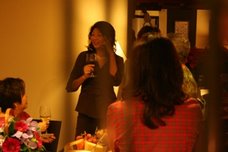

.jpg)


